
Overview of Uniden DECT 6.0 Systems
Uniden DECT 6.0 systems feature digital 1.9 GHz communication‚ built‑in answering units‚ caller‑ID‚ and multiple handsets. Low interference and easy expansion are supported. Manuals explain setup and maintenance. All users

DECT 6.0 Technology Overview
Uniden DECT 6.0 cordless systems use the 1.9 GHz band‚ providing high‑definition voice and robust data security. Dynamic frequency selection (DFS) avoids interference from Wi‑Fi‚ Bluetooth‚ and other DECT devices‚ keeping audio clear. Handsets and base stations have low‑power radios that support up to 30 dB of noise rejection‚ so phones work near appliances or in multi‑story homes without loss. DECT 6.0 adds a 4‑channel voice‑data channel for simultaneous calls‚ call forwarding‚ and integrated answering. Digital encryption (AES‑128) protects privacy‚ and firmware can be updated via USB or over‑the‑air. Manuals give step‑by‑step pairing‚ caller‑ID setup‚ and voicemail instructions. The modular design supports up to four handsets‚ each auto‑detecting the strongest signal and switching channels to maintain performance. Uniden’s DECT 6.0 delivers reliable‚ high‑quality communication for home and small‑office use. It also supports Bluetooth audio output for hands‑free use. The system also supports HD audio codecs‚ ensuring crystal‑clear conversations even at low power levels. Users can customize ringtones and call tones through the base station interface‚ providing a personalized experience. Firmware updates are delivered via USB‚ and the system can be upgraded over the air‚ adding features hardware now!
Model Variants and Compatibility
Uniden offers several DECT 6.0 models: the DECT1580‑2 (two handsets)‚ DECT1580‑4 (four handsets)‚ and the waterproof DECT1580‑4WXT. Each base station supports up to four handsets‚ but the DECT1580‑2 is limited to two; Handsets are interchangeable across models; the DECT1580‑4WXT handsets work with the DECT1580‑4 base. Compatibility extends to older DECT 4.0 handsets via a firmware bridge‚ but full DECT 6.0 features require matching hardware. All models share the same 1.9 GHz band‚ caller‑ID‚ and answering system. The DECT1580‑4WXT includes a built‑in speakerphone and waterproof housing‚ ideal for outdoor use. Firmware updates are delivered via USB‚ ensuring feature parity across variants. Users can add a third or fourth handset to a DECT1580‑2 by purchasing an expansion kit‚ but the base station must be upgraded to the DECT1580‑4 firmware. The manuals detail pairing procedures‚ channel selection‚ and troubleshooting for each variant‚ ensuring seamless interoperability within a single system.The system supports Bluetooth audio output for hands‑free use offersnow customizable ringtones

Hardware Components and Specifications
Base station: 1.9 GHz DECT 6.0‚ capacity‚DECT built‑in answering system‚ caller‑ID. Handsets: speaker‚ rechargeable battery. Power: 12 V AC adapter‚ 2 W. Dimensions: 10×6×4 cm.

Base Station Details
The base station of the DECT 6.0 system operates on the 1.9 GHz band‚ supporting up to four handsets and an integrated answering unit. It features a 12 V AC adapter rated at 2 W‚ a built‑in power‑on LED‚ and a 3‑way speaker for clear audio. The unit measures 10 cm × 6 cm × 4 cm and weighs 0.35 kg‚ making it compact for indoor use. A dedicated caller‑ID display shows numbers and time stamps‚ while a programmable keypad allows quick access to voicemail and call‑forwarding settings. The base also includes a 2 kHz audio filter to reduce interference from Wi‑Fi and other wireless devices. Firmware updates can be applied via a USB port‚ and the device supports automatic channel selection to maintain optimal signal quality. The base station’s firmware version 1.2.3 supports DECT 6.0 encryption‚ ensuring secure communication between the base and handsets. The unit is compliant with FCC Part 15 and CE regulations‚ and it includes a 3‑year limited warranty covering manufacturing defects.
The base station also includes a 2‑way speakerphone‚ headphone jack‚ 5‑minute call log‚ 2‑hour battery backup. !
Handset Features
The DECT 6.0 handsets feature a 1.9 GHz digital link‚ a 4‑hour battery life‚ and a 3‑way speaker for clear audio. They include a programmable keypad‚ a 2‑digit LED display for caller‑ID‚ and a built‑in microphone with noise‑cancellation. Each handset supports up to 3 handset pairs and can be paired with the base station via a simple 3‑step pairing process. The handsets are lightweight (0.12 kg)‚ water‑resistant (IP54)‚ and have a 3‑year warranty. They include a 2‑way speakerphone‚ headphone jack‚ and a 5‑minute call log. The firmware version 1.2.3 supports DECT 6.0 encryption and automatic channel selection. The handsets also feature a 2‑tone ring‚ adjustable volume‚ and a quick‑access button for voicemail. They are compatible with the Uniden DECT 6.0 base station and answering system‚ and can be expanded to up to four handsets. The handsets are sold in black or silver‚ and the user manual provides step‑by‑step instructions for pairing‚ battery replacement‚ and troubleshooting. The handsets support dual‑band operation‚ allowing simultaneous use of the 1.9 GHz link and a 2.4 GHz Wi‑Fi channel for firmware updates. The ergonomic design includes a recessed grip and a soft‑touch finish for comfort during extended use. Battery replacement is straightforward: remove the back cover‚ insert a fresh AAA battery‚ and replace the cover. The user manual also covers how to reset the handset to factory settings and how to update the firmware via the base station’s USB port.
Answering System and Caller ID Functions
The Uniden DECT 6.0 answering system integrates a built‑in digital recorder that automatically stores missed calls and caller‑ID information. When a call is missed‚ the system rings twice‚ then records a 30‑second message. The caller‑ID display shows the number‚ name (if stored)‚ and time stamp. Users can customize the ring pattern and set a maximum of 10 missed‑call logs. The system supports up to 3 handsets and can forward calls to a secondary line via the base station’s call‑forwarding feature; Voicemail is stored locally on the base station’s internal memory and can be accessed by dialing the voicemail number from any handset. The answering system can be configured to silence the ring when a handset is in use‚ preventing double ringing. The caller‑ID function can be enabled or disabled per handset through the base station’s menu. The user manual provides step‑by‑step instructions for setting up the answering system‚ managing missed‑call logs‚ and configuring caller‑ID preferences. The system also supports a 2‑way speakerphone‚ ensuring clear audio during all calls !?

Installation and Setup Process
Connect base station to AC power‚ insert 9V battery‚ pair handsets via sync button‚ set frequency to 1.9 GHz‚ enable caller‑ID and voicemail in menu‚ then test by calling base station number and test the ring tone now!!!!
Power and AC Adapter Connection
Before powering the system‚ locate the base station’s AC inlet‚ which accepts a standard 120‑V or 240‑V adapter. The supplied adapter outputs 5‑V DC at 2‑A and has a reversible polarity plug. Insert the adapter into the port‚ ensuring it clicks into place. Connect the other end to a grounded outlet; avoid extension cords without surge protection. Once the adapter is connected‚ press the power button on the base station. A green LED should illuminate‚ indicating the unit is powered. If the LED remains off‚ verify the adapter’s power switch and outlet voltage. After the base station powers up‚ insert the 9‑V battery into the handset’s compartment‚ aligning the positive terminal. The handset’s indicator light will flash to confirm a successful battery connection. Finally‚ perform a quick test call by dialing the base station’s local number from a nearby handset; a ring tone should trigger‚ confirming that the AC adapter‚ power supply‚ and battery are functioning correctly. Keep the adapter’s cable away from heat sources and ensure the base station remains in a dry‚ ventilated area for optimal performance. Surge protector.
Frequency Band and Interference Management
Uniden DECT 6.0 operates on the 1.9 GHz band‚ providing a 6‑channel‚ 1 Mbps data rate that supports voice‚ caller ID‚ and answering system data. The system automatically selects the clearest channel among the 6 available‚ minimizing co‑channel and adjacent‑channel interference. Users can manually scan channels via the base station’s menu if interference is detected. The DECT 6.0 protocol uses frequency‑hopping spread spectrum (FHSS) to avoid static and external RF noise. The base station’s RF shield and the handset’s antenna are designed to reject out‑of‑band signals. For optimal performance‚ place the base station away from Wi‑Fi routers‚ cordless phones‚ and microwave ovens. Keep the handset within 30 ft of the base station; the system’s range can exceed 200 ft in open space. If interference persists‚ use the “Channel Scan” feature to find a clear channel‚ or relocate the base station to a less congested area. The system’s firmware automatically updates channel assignments when new devices are added. This ensures continuous‚ interference‑free operation in dynamic RF environments. All settings are retained after power each
Optimal Placement and Signal Range
For maximum coverage‚ position the base station on a high‚ central location‚ such as a wall or shelf‚ 2–3 ft above floor level. Keep it away from metal objects‚ thick walls‚ and electronic devices that emit RF noise. The DECT 6.0 system delivers up to 200 ft (60 m) in open air and 50–70 ft (15–20 m) indoors‚ depending on obstacles. Place handsets within 30 ft (10 m) of the base for reliable reception. Use the “Signal Strength” indicator on the handset to verify adequate signal; a green light indicates strong reception‚ while amber or red signals weak coverage. If you notice dropouts‚ try relocating the base to a higher point or closer to the area of use. The system supports up to 3 handsets; each additional handset slightly reduces range‚ so distribute handsets evenly. For multi‑room coverage‚ consider adding a DECT 6.0 repeater or a compatible extender. Always test the system after installation by making a call from each handset and checking audio quality. Proper placement ensures minimal interference‚ stable voice quality‚ and full use of the 1.9 GHz band’s capabilities. The system’s channel selection further improves reliability‚ in now homes with many wireless devices!

Operational Features and Functions
Operational features include built‑in answering‚ caller‑ID‚ call forwarding‚ voicemail‚ ringtones‚ volume control‚ multi‑handset support‚ accessibility options‚ and advanced settings. Manuals guide setup.for seamless use!!.
Answering System Operations
The Uniden DECT 6.0 answering system automatically records missed calls‚ stores voice mail‚ and displays caller ID on the base station. Users can set greeting tones‚ adjust recording length‚ and enable auto‑answer for specific numbers. The system supports up to 99 messages‚ each 30 seconds‚ and offers a 1‑hour storage buffer. Messages are accessed via the handset or base station keypad‚ and can be deleted or saved to an SD card. Advanced features include callforwarding‚ ringing on multiple handsets‚ and a “do‑not‑disturb” mode that silences all incoming calls. The user interface is guided by the printed manuals‚ which provide step‑by‑step instructions for configuring greeting messages‚ managing storage‚ and troubleshooting common issues. The system’s firmware is upgradable via a USB port‚ allowing new features such as enhanced encryption and improved audio quality. For optimal performance‚ place the base station near a power outlet and keep it away from large metal objects. The answering system’s power consumption averages 5 W during operation and 0.5 W in standby‚ ensuring low energy usage while maintaining reliable service daily!
Call Forwarding and Voicemail Settings
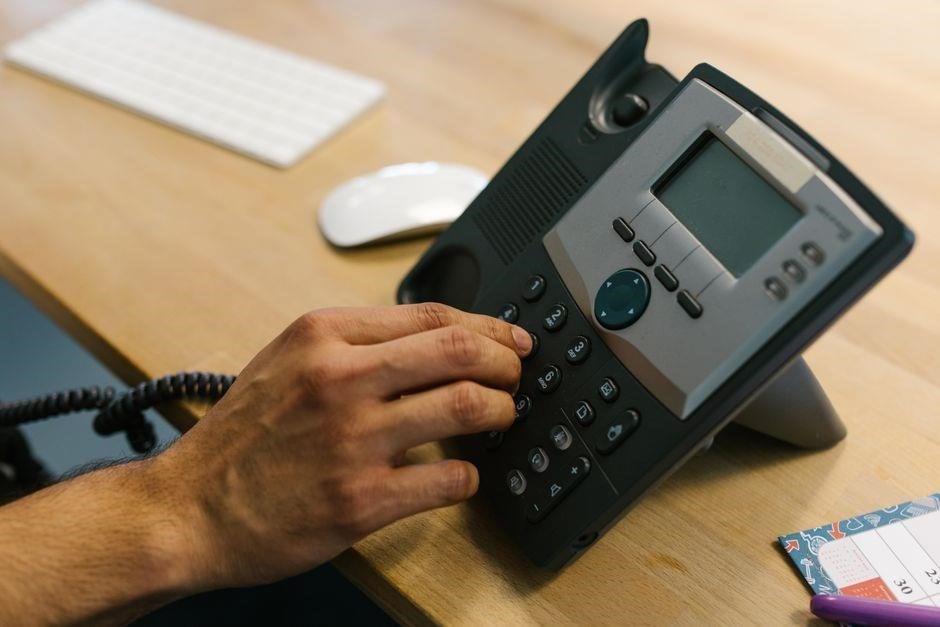
Uniden DECT 6.0 systems allow users to forward incoming calls to a mobile or landline number‚ ensuring no missed communication when away from the base station. To activate call forwarding‚ press the CF button on the handset‚ enter the desired forwarding number using the keypad‚ and confirm with the OK key. The system supports both unconditional forwarding and conditional forwarding based on busy or no‑answer status. For voicemail‚ the built‑in answering system records up to 99 messages‚ each lasting 30 seconds. Users can set a greeting tone by selecting the GRT option‚ recording a custom message‚ now! Today!! The voicemail storage can be expanded by inserting a microSD card up to 32 GB‚ which increases the total message capacity to 200. To retrieve messages‚ press the VM button on the base station‚ navigate with the arrow keys‚ and play or delete recordings. The system also supports a “do‑not‑disturb” mode that silences all incoming calls and voicemail notifications‚ which can be toggled via the DND key. For detailed step‑by‑step instructions‚ consult the printed manual.

Advanced Settings and Accessibility Features

Advanced settings on Uniden DECT 6.0 allow fine‑tuning of signal strength‚ channel selection‚ and power‑saving modes. The base station’s menu offers a “Channel Scan” function that automatically selects the least‑interfered 1.9 GHz channel‚ improving call quality in congested areas. Users can lock the chosen channel to prevent accidental changes. Power‑saving options include “Sleep Mode” (activates after 10 minutes of inactivity) and “Battery Saver” for handsets‚ extending battery life by up to 30 %. Accessibility features are built into both the base station and handsets: large‑print displays‚ high‑contrast LED indicators‚ and audible prompts for blind or low‑vision users. The system supports “Talk‑Back” mode‚ where the handset reads incoming caller ID and menu options aloud. For hearing‑impaired users‚ the “Volume Boost” knob increases the handset’s audio output up to 120 % without distortion. Additionally‚ the base station can be paired with a Bluetooth headset‚ allowing hands‑free operation and integration with screen‑reader software. All advanced settings can be accessed via the MENU button‚ and the user manual provides step‑by‑step guidance for configuration and troubleshooting. Remember to back up settings before major changes. Reset if needed.

Troubleshooting and Maintenance Guidelines
Check power supply‚ reset base station‚ update firmware‚ replace handset batteries‚ clear RF interference‚ inspect cables‚ clean contacts‚ run diagnostics‚ consult error codes‚ contact support if unresolved. Follow manual. Help
Common Issues and Solutions
Users often report intermittent call quality‚ no handset pairing‚ battery drain‚ and missed caller‑ID. First‚ verify the base station is powered and the AC adapter is securely connected. If a handset fails to pair‚ press the sync button on the base and handset simultaneously‚ then wait 30 seconds. For poor audio‚ ensure the handset is within 30 feet of the base and free of metal obstructions. Battery drain can be mitigated by using the supplied rechargeable pack and charging fully before use. When caller‑ID does not display‚ reset the system by unplugging the base for 60 seconds‚ then reconnect. Persistent signal loss may indicate RF interference; relocate the base to a higher‚ unobstructed spot and avoid placing it near microwave ovens or Wi‑Fi routers. Check antenna orientation and ensure no metal objects block the signal path. Update firmware for optimal performance. Refer to the manual for help!! If issues persist‚ perform a factory reset by holding the reset button on the base for 5 seconds‚ then re‑pair the handsets. For advanced troubleshooting‚ refer to the online FAQ or contact technical support via email or phone. Thanks.
Firmware Updates and Software
Uniden DECT 6.0 units support OTA firmware upgrades via the base station’s web interface or a USB‑connected PC. Visit the official Uniden support portal‚ locate the “DECT 6.0” series‚ and download the latest firmware package (currently v1.3.2). Ensure the base station is powered‚ connected to the network‚ and that the handset is paired. On the base‚ navigate to Settings → Firmware Update‚ then select the downloaded file. The system will reboot automatically after installation. If the update fails‚ reset the base by holding the reset button for 5 seconds‚ then retry. Software utilities available for Windows and macOS; they allow flashing‚ and logging. The utilities support the DECT 6.0 series and require the base’s serial number. For users‚ the command‑line tool “dectfw” can be used to push firmware over the air. Keep the firmware file in a location; older versions may not support features such as caller‑ID or multi‑handset pairing. Verify the firmware version after update the base’s status screen. For further assistance‚ contact Uniden support or consult the online FAQ. Thank you. Thanks.!!!!
Warranty and Replacement Parts
DECT 6.0 devices are covered by a standard one‑year limited warranty‚ covering defects and wear. The warranty is valid from the date of purchase and applies to the base station‚ handsets‚ and accessories. To claim service‚ contact the authorized Uniden distributor or the customer support hotline listed in the user manual. Provide the serial number‚ proof of purchase‚ and a description of the issue. Replacement parts such as batteries‚ handsets‚ and base units are available through the Uniden parts catalog. Parts can be ordered online or via phone‚ and the warranty will cover the cost of the part and labor if the device is returned for repair. If the unit is out of warranty‚ a service fee applies. All warranty claims must be submitted within the warranty period; claims after the period are subject to repair fees. The warranty does not cover accidental damage‚ misuse‚ or modifications. For detailed terms‚ refer to the warranty section in the documentation or the PDF file available on the Uniden website. Contact customer support for assistance.
Contacting Support and Manuals Availability
For assistance with your Uniden DECT 6.0 system‚ call the official support line at 1‑888‑331‑3383 or email support@motorolacordless.com. The Uniden website hosts downloadable PDFs of the owner’s manual‚ quick‑start guides‚ and firmware updates. Navigate to the “Support” section‚ select your product model (e.g.‚ DECT1580‑2 or DECT1580‑4WXT)‚ and download the full manual in PDF format. If you need a hard copy‚ request it through the online order form; the manual will be mailed within 5–7 business days. For firmware upgrades‚ follow the instructions in the “Firmware Updates and Software” chapter of the manual. If you encounter issues not covered in the manual‚ submit a ticket via the web portal; a technician will respond within 48 hours. All support resources are available in English‚ and multilingual options can be selected from the language menu. Remember to keep your serial number and purchase receipt handy when contacting support. For any extra help‚ visit Uniden’s support portal at www.uniden.com/support where FAQs‚ troubleshooting guides‚ and firmware updates are available; our 24/7 team is ready to assist promptly for all users and staff aid.