See Kai Run Size Guide: A Comprehensive Overview (Updated 04/07/2026)
Navigating See Kai Run sizing requires understanding their specific charts and resources, as fit can vary.
Utilize printable guides and consider growth when selecting the perfect shoe size for little feet.
Understanding See Kai Run Footwear
See Kai Run specializes in footwear designed to support healthy foot development in children, from their earliest steps through active play. The brand prioritizes flexibility, allowing natural foot movement crucial for building strength and balance. Their shoes feature a wide toe box, accommodating the natural splay of toes, and are constructed with soft, breathable materials to ensure comfort.
Understanding the core principles behind See Kai Run’s design is vital when determining the correct size. Unlike some brands that prioritize a snug fit, See Kai Run generally recommends a little growing room – approximately a thumb’s width beyond the longest toe – to allow for natural foot growth and prevent constriction. This consideration is particularly important given the rapid growth spurts experienced by children.
The brand offers a diverse range of styles, from soft-soled shoes for pre-walkers to more robust designs for toddlers and older children. Each style may have slight variations in fit, so consulting the specific size chart for the chosen shoe is always recommended. Paying attention to width options is also key, as See Kai Run recognizes that children’s feet come in various widths.
Why a Size Guide is Crucial for See Kai Run
Accurate sizing is paramount when purchasing See Kai Run footwear due to several key factors. Children’s feet grow rapidly and unevenly, making precise measurements essential. Unlike adult shoes where individuals often know their size, children’s feet require regular assessment, and sizes can vary significantly between brands.
See Kai Run’s commitment to healthy foot development means that a proper fit directly impacts the benefits of their design. Too-small shoes can constrict growth and cause discomfort, while overly large shoes can lead to instability and tripping hazards. A well-fitted shoe supports natural movement and allows the foot to function optimally.
Furthermore, See Kai Run offers a range of styles and width options, adding complexity to the sizing process. Utilizing their size guide ensures you account for these variations and select the most appropriate fit for your child’s unique foot shape. Relying solely on age or previous shoe size is often insufficient, highlighting the necessity of a dedicated sizing resource.
General Sizing Considerations for Children’s Shoes
When selecting children’s shoes, several universal principles apply, regardless of the brand, including See Kai Run. Children’s feet grow quickly, necessitating frequent measurements – ideally every two to three months for infants and toddlers, and at least twice a year for older children. Remember that foot size isn’t always symmetrical; measure both feet and fit to the larger size.
Allow for growth! A thumb’s width (approximately 1/2 inch or 1.27 cm) of space between the longest toe and the shoe’s end is recommended. This accommodates growth and natural foot movement during walking. Avoid purchasing shoes with the expectation that your child will “grow into them,” as this can cause discomfort and affect gait.
Consider the sock thickness your child will typically wear with the shoes. Measure feet while wearing similar socks to ensure an accurate fit. Finally, observe your child’s gait and ask for their feedback – comfort is key! A properly fitted shoe shouldn’t cause rubbing, blisters, or pressure points.
Measuring Your Child’s Foot – The Foundation of Accurate Sizing
Accurate foot measurement is paramount for a comfortable and properly fitting See Kai Run shoe. Begin by having your child stand flat on a firm surface with their weight evenly distributed. Use a foot measuring device – a ruler, measuring tape, or preferably, the printable guide offered by See Kai Run – to determine length.
Place the heel firmly against a wall or flat edge. Measure from the back of the heel to the tip of the longest toe. If the longest toe isn’t the big toe, ensure you measure to the end of that toe. Repeat the process for both feet, as sizes can differ. Always use the measurement of the larger foot when determining shoe size.
It’s best to measure at the end of the day, as feet tend to swell slightly throughout the day. Ensure the child is wearing socks of the typical thickness they’ll wear with the shoes. Record the measurements in both inches and centimeters for easy conversion using the See Kai Run size chart.
Using the See Kai Run Printable Foot Measuring Guide
The See Kai Run printable foot measuring guide is a valuable tool for achieving an accurate fit, especially when shopping online. Download the guide directly from the See Kai Run website – ensuring you have the most current version, as updates occur. Print the guide at 100% scale; avoid scaling options in your printer settings, as this will distort the measurements.
Have your child stand with their heel against the designated line on the printed guide. Ensure they are wearing socks of the typical thickness they’ll wear with the shoes. Mark the longest toe with a pen or pencil. Measure the distance from the heel line to the toe marking, using a ruler.
Read the measurement in inches or centimeters, referencing the corresponding scale on the guide. Compare this measurement to the See Kai Run size chart to determine the appropriate shoe size. Remember to measure both feet and use the larger measurement for optimal fit. Double-check your printer settings before printing!
See Kai Run Size Chart – US, EU, and CM Conversions
Understanding the See Kai Run size chart is crucial for a successful purchase. The chart provides conversions between US, European (EU), and centimeter (CM) measurements, accommodating international customers and those preferring metric systems. Generally, See Kai Run offers sizes ranging from newborn (size 0) up to Little Kid size 10.
A typical size conversion might look like this: US 4 Toddler equates to EU 19-20, with a foot length of approximately 9.8-10.2 cm. US 10 Little Kid corresponds to EU 27-28, and a foot length around 17.1-17.5 cm. Always consult the official See Kai Run size chart on their website, as slight variations can occur between styles.
Remember that these are general guidelines. Individual foot shapes vary, so relying solely on size conversions isn’t always sufficient. Utilize the printable foot measuring guide for the most accurate sizing. Check the website frequently for updates to the chart!
Newborn & Infant Sizing (0-12 Months)
Sizing for newborns and infants (0-12 months) requires extra care, as little feet grow rapidly. See Kai Run’s newborn sizes typically start at size 0, designed for the smallest feet. These sizes often correlate with approximate foot length rather than age, as development varies significantly;
Generally, size 1 fits a foot length of around 3.8-4.2 inches (9.7-10.7 cm), while size 3 might accommodate a foot up to 4.9-5.3 inches (12.4-13.5 cm). It’s vital to measure your baby’s foot regularly – every few weeks – during this period. Don’t assume they’ll stay in one size for long!
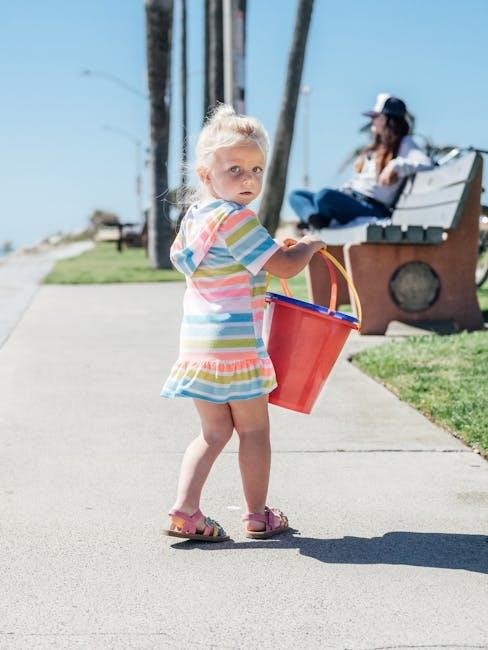
Consider the style of shoe. Soft-soled shoes are ideal for pre-walkers, allowing natural foot movement. For early walkers, a slightly more structured shoe with flexible soles is beneficial. Always allow for approximately 1/2 inch of growth room to prevent discomfort and ensure proper development. Prioritize comfort and flexibility over strict sizing.
Toddler Sizing (1T-4T)
Toddler sizing (1T-4T) presents unique challenges due to rapid growth and varying foot shapes. See Kai Run’s toddler sizes generally range from 1T to 4T, but relying solely on age isn’t recommended. Accurate foot measurement is crucial during this stage.
A size 1T typically fits a foot length of around 4.7-5.1 inches (11.9-13 cm), while a 4T might accommodate up to 6.3-6.7 inches (16-17 cm). Remember that these are approximate guidelines. Toddlers often have wider feet, so checking width is essential.
Look for shoes with adjustable closures, like Velcro straps, to customize the fit. Allow for approximately 1/2 inch of growth room, but avoid excessive space, which can lead to tripping. Pay attention to your child’s feedback – if they complain of tightness or discomfort, size up. Frequent foot measurements are key to ensuring a comfortable and supportive fit as they become more active.
Little Kid Sizing (5-10)
Little Kid sizing (5-10) with See Kai Run requires careful attention as children transition towards more standardized foot development. Foot length becomes a more reliable indicator than age, though growth spurts remain a factor. Sizes typically correlate with foot lengths ranging from approximately 5.5 inches (14 cm) for a size 5, up to 7.7 inches (19.5 cm) for a size 10.
However, individual variation is significant. It’s vital to measure both feet, as discrepancies are common. Consider the sock thickness your child usually wears when measuring. A comfortable fit allows for about a thumb’s width (approximately 1/2 inch) of space between the longest toe and the shoe’s end.
Pay attention to width, as See Kai Run offers options to accommodate wider feet. Regularly check for signs of tightness, like redness or blisters. Encourage your child to communicate any discomfort. Consistent foot measurements, every few months, are recommended to maintain optimal shoe fit during this active phase.
Width Options Available in See Kai Run Shoes
See Kai Run thoughtfully addresses varying foot widths, recognizing that not all children have standard-width feet. They commonly offer shoes in Medium (M), Wide (W), and sometimes Extra Wide (XW) widths, particularly within their Little Kid and Big Kid sizing ranges. This inclusivity ensures a more comfortable and supportive fit for a broader spectrum of children’s feet.
Determining the correct width is crucial. A shoe that’s too narrow can cause discomfort, blisters, and even impact foot development. Conversely, a shoe that’s too wide may lead to instability and inefficient gait. Observing how the shoe fits across the widest part of your child’s foot is key – look for gentle conforming, not bulging or constriction.
Consult the See Kai Run size chart specifically for width measurements. If your child consistently requires wider shoes in other brands, starting with a Wide width is advisable. Don’t hesitate to utilize their customer support for personalized width recommendations based on your child’s unique foot shape.
Addressing Common Sizing Issues
Frequently, parents encounter issues like shoes fitting well in length but feeling snug in width, or vice versa, with See Kai Run footwear. Growth spurts are a primary culprit, necessitating frequent foot measurements. Another common problem is confusion between sizing systems – US, EU, and CM – requiring careful chart referencing.
If a shoe feels too tight, even after selecting the correct size based on length, consider a wider width option. Conversely, if the shoe is too loose, ensure laces or straps are adequately tightened. Remember that See Kai Run shoes are designed to accommodate some growing room, but excessive space can hinder proper foot development.
Don’t ignore complaints of discomfort from your child. Blisters, redness, or reluctance to wear the shoes are clear indicators of a sizing issue. Utilize See Kai Run’s return policy for exchanges if the initial size proves unsuitable. Prioritize a comfortable and well-fitting shoe to support healthy foot growth.
Tips for Online Ordering and Returns
When purchasing See Kai Run shoes online, meticulous foot measurement is paramount. Always measure both feet, as slight variations are common, and use the larger measurement as your guide. Compare this measurement against the official See Kai Run size chart, paying close attention to the conversion between US, EU, and CM sizes.
Read product descriptions carefully, noting any specific fit recommendations for that style. Familiarize yourself with See Kai Run’s return and exchange policy before completing your purchase. Keep the original packaging and tags intact until you’ve confirmed the fit is satisfactory.
If shoes don’t fit, initiate a return promptly. Most online retailers offer prepaid return labels for convenience. Be aware of any time limits for returns or exchanges. Document the return process with tracking information. A well-informed approach minimizes hassle and ensures a positive online shopping experience.
Understanding See Kai Run’s Different Shoe Styles & Fit
See Kai Run offers a diverse range of footwear, and understanding how style impacts fit is crucial. Their sandals, for example, often run true to size, but may require a slightly longer length for growing feet. Closed-toe shoes, like sneakers and boots, may benefit from a small amount of extra room, especially for thicker socks.
Consider the shoe’s construction. Styles with adjustable straps or closures provide greater flexibility in fit. Narrower feet may do well in styles designed for a more secure fit, while wider feet might require styles with a wider toe box. Pay attention to customer reviews mentioning fit experiences with specific styles.
Always prioritize comfort and allow for natural foot movement. A properly fitted See Kai Run shoe should not pinch, rub, or feel overly tight. Remember that different materials can also affect how a shoe feels and fits, so consider this when making your selection.
Comparing See Kai Run Sizing to Other Brands
Generally, See Kai Run tends to run true to size, but comparisons to other popular children’s brands reveal nuances. Compared to brands like Stride Rite, See Kai Run often fits slightly narrower, particularly in their closed-toe styles. This means children with wider feet might need to size up or explore width options.
When transitioning from brands like Pediped, which are known for their flexible soles and wider toe boxes, you might find See Kai Run shoes feel a bit more structured. It’s advisable to remeasure your child’s feet and consult the See Kai Run size chart specifically.
Always consider the individual shoe style, as fit can vary even within the See Kai Run brand. Reading reviews from customers who have experience with both brands can provide valuable insights. Prioritize foot measurements over relying solely on a child’s previous shoe size in another brand.
When to Size Up – Recognizing Growth Spurts
Children’s feet grow rapidly, making regular sizing crucial. A good rule of thumb is to measure every 2-3 months, especially during growth spurts. Don’t rely on your child telling you shoes are too small; discomfort can develop gradually. Look for signs like difficulty putting shoes on, redness marks, or complaints of tightness.
Allow for approximately a thumb’s width (1/2 inch or 1.27 cm) of space between the longest toe and the end of the shoe. This provides room for growth and natural foot movement. Remember that socks will also affect the fit, so measure with the socks your child will typically wear.
If your child is between sizes, it’s generally better to size up, particularly for active children. A slightly larger shoe allows for more comfortable movement, while a shoe that’s too small can restrict development. Consistent monitoring and proactive sizing adjustments are key to healthy foot growth.
Resources for Further Assistance – See Kai Run Website & Customer Support
For comprehensive sizing information and support, the official See Kai Run website is your primary resource. It features detailed size charts, printable foot measuring guides, and frequently asked questions addressing common sizing concerns. Explore the “Help” or “Support” sections for readily available answers.
Beyond the website, See Kai Run offers dedicated customer support channels. You can typically find contact information – including email addresses and phone numbers – on their website’s “Contact Us” page. Their customer service team can provide personalized assistance with sizing questions, style recommendations, and order inquiries.
Don’t hesitate to reach out to them directly if you’re unsure about the best size for your child. They are equipped to guide you through the process and ensure a comfortable, well-fitting shoe experience. Utilizing these resources maximizes your confidence in selecting the perfect See Kai Run footwear.
Troubleshooting Sizing Problems – FAQs
Q: My child’s feet seem to be between sizes. What should I do? A: Always size up! It’s better for growing feet to have a little extra room than to be cramped. Consider width as well; a wider shoe might be the solution.
Q: The shoes seem too long, but fit well in width. Is this normal? A: A small amount of toe room is expected, allowing for growth and natural foot movement. Ensure the heel doesn’t slip excessively.
Q: I ordered online, and the shoes don’t fit. What’s the return policy? A: See Kai Run generally offers hassle-free returns for unworn shoes. Check their website for specific details regarding return shipping and timelines.
Q: My child’s feet grow quickly. How often should I remeasure? A: Remeasure every 2-3 months, especially during growth spurts. Consistent monitoring ensures the best fit. Don’t rely on past measurements!
Q: Are See Kai Run shoes true to size? A: While generally consistent, slight variations can occur. Always consult the size chart and consider your child’s individual foot shape.
Where to Find the Most Up-to-Date Size Information
The primary source for the most current See Kai Run sizing details is their official website, www.seekairun.com. Navigate to the “Size Guide” section, typically found in the footer or help center. This page provides the latest charts for US, EU, and CM conversions.
Additionally, See Kai Run frequently updates its printable foot measuring guide. Download this guide directly from their website for accurate at-home measurements. Ensure you’re using the most recent version, as charts can be revised.
Customer support is another valuable resource. Contact See Kai Run’s customer service team via phone, email, or live chat (available on their website) for personalized assistance. They can address specific concerns and offer tailored recommendations.
Social media channels, like Facebook and Instagram, sometimes feature sizing tips and announcements. However, always verify information with the official website or customer support for accuracy. Relying on third-party sources can be unreliable.