
Understanding Trochanteric Bursitis
Trochanteric bursitis arises from irritated fluid-filled sacs, or bursae, within the hip, potentially stemming from injury, overuse, or surgery, impacting hip function significantly.
What is Trochanteric Bursitis?
Trochanteric bursitis is characterized by inflammation of the bursae – small, fluid-filled sacs – located on the outer edge of the hip. These bursae normally reduce friction between bones, tendons, and muscles around the hip joint, enabling smooth movement. When these sacs become irritated, they cause pain and discomfort.
The condition often develops due to repetitive motions, injury, or even postural imbalances. Individuals may experience pain that radiates down the outer thigh, and it’s frequently worsened by activities like walking, climbing stairs, or lying on the affected side. Approximately 160 bursae exist throughout the body, and hip bursitis specifically targets the trochanteric bursa. Understanding this foundational aspect is crucial for effective management and treatment strategies.
The Role of Bursae in Hip Joint Function
Bursae are essential for optimal hip joint mechanics, acting as crucial cushioning elements. These fluid-filled sacs minimize friction between bones, tendons, and muscles during movement, ensuring smooth and painless articulation. The hip possesses multiple bursae, with the trochanteric bursa being particularly relevant to this condition.
Without bursae, the repetitive motion of daily activities would quickly lead to inflammation and pain. They effectively reduce stress on the hip joint, allowing for a wider range of motion and greater comfort. When bursae become inflamed – as in trochanteric bursitis – this protective function is compromised, resulting in discomfort and limited mobility. Maintaining healthy bursae is therefore vital for preserving hip joint functionality and overall physical well-being.
Common Causes of Trochanteric Bursitis
Trochanteric bursitis develops from various factors, often involving repetitive strain or direct trauma to the hip. Injury, stemming from falls or blows to the outer hip, can directly irritate the bursae. Overuse, particularly in activities involving repetitive hip movements like running or cycling, is a frequent contributor.
Poor posture and muscle imbalances can also play a significant role, placing undue stress on the hip joint. Furthermore, individuals who have undergone hip replacement surgery may experience bursitis as a post-operative complication. Underlying conditions, while less common, can also contribute to inflammation. Understanding these potential causes is crucial for effective prevention and targeted treatment strategies, ultimately aiming to restore comfortable hip function.
Symptoms and Diagnosis

Trochanteric bursitis presents as hip pain on the outer hip, often intensifying with activity or prolonged sitting; diagnosis involves a physical exam and imaging.
Identifying the Pain: Location and Characteristics
Pain location is a key identifier in trochanteric bursitis, typically felt on the outer side of the hip, radiating down the thigh, but rarely into the groin. The discomfort often intensifies with activities like walking, climbing stairs, or lying on the affected side. Initially, the pain might be a dull ache, gradually progressing to a sharp, burning sensation;
Characteristics of the pain include tenderness to the touch over the greater trochanter – the bony prominence on the outer hip. Pain may worsen after prolonged sitting or standing. It’s often described as a deep, aching discomfort, distinct from the sharp pain associated with muscle strains. Distinguishing features include pain that flares up with hip abduction (moving the leg away from the body) and difficulty with activities requiring hip rotation. The pain isn’t usually felt in the hip joint itself, but rather around it.
Differentiating Trochanteric Bursitis from Other Hip Pain
Distinguishing trochanteric bursitis requires careful consideration, as hip pain can stem from various sources. Unlike osteoarthritis, which often presents with groin pain and stiffness, bursitis focuses on the outer hip. Muscle strains typically cause localized pain with specific movements, while bursitis pain radiates.
Hip impingement (femoroacetabular impingement or FAI) often causes pain within the hip joint, limiting range of motion, unlike the external pain of bursitis. Tendinopathies, like gluteal tendinopathy, can mimic bursitis, but usually involve pain with resisted hip abduction.
A key difference is that bursitis pain is often aggravated by lying on the affected side, while other conditions may not be. Accurate diagnosis is crucial, as treatment strategies differ significantly for each condition. A thorough physical exam and potentially imaging can help pinpoint the source of the pain.
Diagnostic Methods: Physical Examination
A physical examination is the cornerstone of diagnosing trochanteric bursitis. Healthcare professionals will assess your range of motion, palpating the outer hip to identify tenderness over the greater trochanter – the bony prominence. Specific tests, like the Ober’s test, evaluate the tightness of the iliotibial (IT) band, often contributing to bursitis.
Pain reproduction with palpation or specific movements, such as hip abduction and internal rotation, strongly suggests bursitis. The examiner will rule out other potential causes by assessing gait and performing additional orthopedic tests to evaluate hip joint stability and muscle strength.
Careful observation of how pain changes with different positions, like lying on the affected side, provides valuable diagnostic clues. While a physical exam often provides a clear diagnosis, imaging may be necessary to confirm and exclude other conditions.

Imaging Techniques: X-rays and MRI
While not always necessary, imaging techniques can aid in diagnosing trochanteric bursitis and ruling out other hip conditions. X-rays are typically used to exclude other causes of hip pain, such as arthritis or fractures, but won’t directly show the bursa itself. They can reveal any structural abnormalities contributing to the problem.
Magnetic Resonance Imaging (MRI) is the most effective imaging modality for visualizing the bursae. An MRI can confirm inflammation or fluid accumulation within the trochanteric bursa, providing a definitive diagnosis. It also helps identify any associated soft tissue injuries, like tendon tears.
MRI’s detailed images allow clinicians to assess the extent of inflammation and rule out other potential sources of hip pain, ensuring accurate treatment planning. However, imaging is usually reserved for cases where the diagnosis is uncertain after a physical examination.

Exercises for Trochanteric Bursitis: A Comprehensive Plan
A phased exercise approach – acute, subacute, and chronic – is crucial for managing trochanteric bursitis, focusing on reducing inflammation and restoring hip function gradually.
Phase 1: Acute Phase ⎯ Reducing Inflammation
During the initial acute phase, the primary goal is to minimize pain and inflammation surrounding the hip joint. Aggressive exercises are contraindicated; instead, focus on gentle range of motion exercises, such as ankle pumps and gentle knee bends, to maintain some mobility without exacerbating the condition.
Isometric exercises are also beneficial, engaging hip muscles without joint movement. These include quad sets, gluteal squeezes, and gentle abdominal contractions. These help maintain muscle activation without stressing the inflamed bursa.
Avoid any movements that sharply increase pain. Rest is paramount, alongside ice application for 15-20 minutes several times a day. This phase aims to calm the inflammation before progressing to strengthening and flexibility work. Patience is key, as pushing too hard can prolong recovery.
Gentle Range of Motion Exercises
Gentle range of motion (ROM) exercises are crucial in the initial stages of recovery from trochanteric bursitis, aiming to prevent stiffness without aggravating the inflamed bursa. Begin with ankle pumps – slowly pointing and flexing your feet – to promote circulation. Follow with knee bends, keeping the movement small and pain-free.
Hip pendulum exercises, performed while lying on your side, involve gently swinging your leg forward and backward, and in small circles. These movements should be slow and controlled, avoiding any sharp or sudden motions.
Focus on maintaining a comfortable range, never pushing into pain. Perform each exercise 10-15 times, several times a day. These exercises help preserve joint mobility and prepare the hip for more advanced rehabilitation later on, fostering a gradual return to function.
Isometric Exercises for Hip Muscles
Isometric exercises are vital during the acute phase, strengthening hip muscles without moving the joint, minimizing stress on the inflamed bursa. Begin with hip abduction – squeeze your legs together as if resisting an outward force, holding for 5-10 seconds, repeat 10-15 times.
Next, perform hip adduction – press your outer thigh against a stable object (like a pillow) as if pushing your leg outwards, holding and repeating. Gluteal squeezes involve tightening your buttock muscles, holding, and releasing.
These exercises engage the muscles around the hip, providing support and stability without causing further irritation. Remember to maintain proper form and avoid holding your breath. Perform these exercises several times daily, gradually increasing the hold time as tolerated, promoting muscle activation and preparing for dynamic movements.
Phase 2: Subacute Phase ー Restoring Flexibility and Strength
Transitioning to the subacute phase signifies reduced inflammation, allowing for gentle restoration of hip flexibility and strength. Begin with hip abduction exercises – lying on your side, slowly lift your top leg, keeping your knee straight, focusing on controlled movement. Repeat 10-15 times.
Hip adduction involves similar movements, bringing the lifted leg towards the midline. Gluteal strengthening progresses to side-lying leg raises and bridges, engaging the gluteus muscles for improved hip stability.

Focus on pain-free range of motion, gradually increasing repetitions and sets. Incorporate light resistance bands for added challenge. This phase aims to rebuild muscle strength and improve hip mechanics, preparing for functional activities and preventing re-injury. Listen to your body and avoid pushing through pain.
Hip Abduction Exercises
Hip abduction exercises are crucial for strengthening the muscles responsible for moving your leg away from the midline of your body, vital for hip stability. Begin with side-lying leg lifts: lie on your unaffected side, keeping legs straight. Slowly lift the top leg, maintaining a controlled motion, avoiding rotation.
Perform 10-15 repetitions, focusing on engaging the gluteus medius. Clamshells are another effective option – bend knees with feet together, then lift the top knee while keeping feet connected.
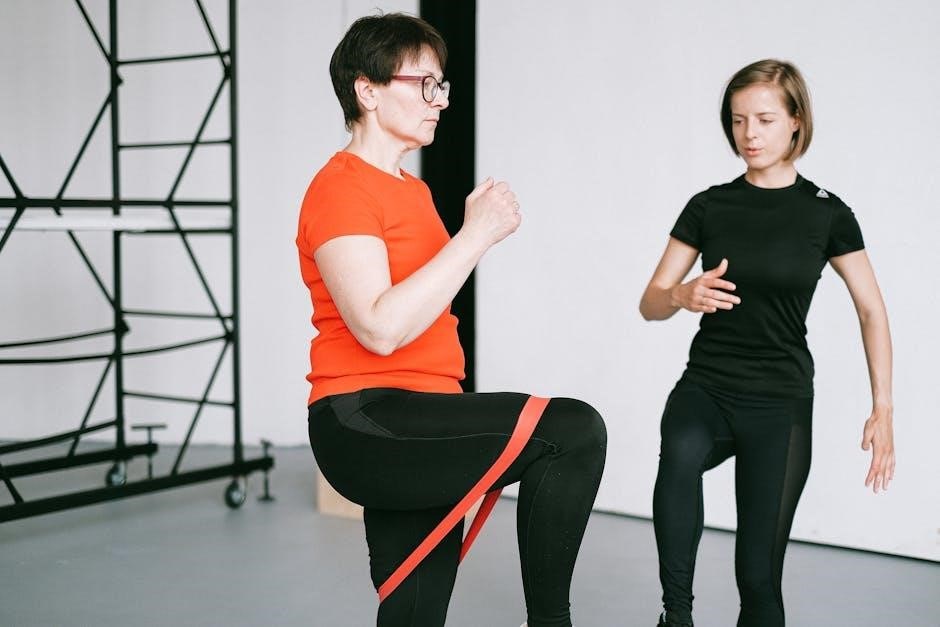
Progress by adding a resistance band around your thighs. Ensure proper form: maintain a neutral spine and avoid arching your back. These exercises improve hip control and reduce stress on the bursa, aiding recovery. Stop if you experience pain.
Hip Adduction Exercises
Hip adduction exercises target the inner thigh muscles, contributing to overall hip stability and balance, which is essential during recovery from trochanteric bursitis. A simple starting point is the lying hip adduction: lie on your side with legs bent.
Keeping your bottom leg stationary, lift your top leg towards the midline, squeezing your inner thigh muscles. Perform 10-15 repetitions on each side.
You can increase the challenge with a resistance band placed around your ankles. Focus on controlled movements, avoiding momentum. Strengthening these muscles helps counteract the outward pull often associated with the condition. Remember to maintain a neutral spine and stop immediately if you feel any sharp pain during the exercise.
Gluteal Strengthening Exercises
Gluteal strengthening is crucial for stabilizing the hip and pelvis, reducing stress on the trochanteric bursa. Begin with glute bridges: lie on your back with knees bent and feet flat. Lift your hips off the floor, squeezing your glutes at the top. Perform 10-15 repetitions.
Progress to side-lying hip abduction, lifting your top leg while keeping your body stable. This targets the gluteus medius, vital for hip stability.
Another effective exercise is the clam shell, performed in the same side-lying position, opening and closing your knees while keeping your feet together. Focus on controlled movements and proper form. Strengthening these muscles supports the hip joint and minimizes irritation, aiding in recovery and preventing recurrence.
Phase 3: Chronic Phase ー Maintaining Function and Preventing Recurrence
Transitioning to the chronic phase focuses on long-term hip health and preventing future flare-ups. Stretching remains vital; regularly perform hip flexor and IT band stretches to maintain flexibility and reduce tension around the hip joint.
Core strengthening exercises, like planks and abdominal crunches, enhance overall stability and support proper posture, minimizing strain on the hip.
Incorporate low-impact aerobic exercise, such as walking, swimming, or cycling, to improve cardiovascular health and maintain muscle endurance without aggravating the bursa. Consistency is key; aim for regular exercise sessions to sustain improvements and prevent symptoms from returning. Listen to your body and adjust intensity as needed.
Stretching Exercises for Hip Flexors and IT Band
Hip flexor stretches, like the kneeling hip flexor stretch, are crucial for lengthening these often-tight muscles, reducing pull on the hip joint. Hold each stretch for 30 seconds, repeating 2-3 times daily.
IT band stretches, such as standing IT band stretch (crossing one leg behind the other and leaning), address tension in this band, which can contribute to bursitis.
Focus on gentle, controlled movements, avoiding any sharp pain. A dynamic stretch, like leg swings, can also improve flexibility. Remember to warm up muscles before stretching. Consistent stretching improves range of motion and minimizes irritation, supporting long-term hip health and preventing recurrence of symptoms.
Core Strengthening Exercises
A strong core provides essential stability for the hips and lower back, reducing stress on the bursae. Begin with foundational exercises like planks, holding for 30-60 seconds, and gradually increasing duration.
Bird-dog exercises enhance core stability and balance; perform 10-15 repetitions per side.
Pelvic tilts gently engage core muscles, improving pelvic alignment. Aim for 15-20 repetitions.
Avoid exercises that exacerbate pain. Focus on maintaining proper form throughout each exercise. A stable core supports efficient movement patterns, minimizing strain on the hip joint and promoting long-term recovery. Incorporate these exercises 2-3 times weekly for optimal results, building a solid foundation for hip health.

Low-Impact Aerobic Exercise
Maintaining cardiovascular health is crucial during recovery, but high-impact activities can aggravate trochanteric bursitis. Opt for low-impact options like swimming, cycling, or walking on a flat surface.
Start slowly, gradually increasing duration and intensity as tolerated. Aim for 20-30 minutes of aerobic exercise most days of the week.
Water aerobics are particularly beneficial, as the buoyancy reduces stress on the hip joint.
Listen to your body and avoid any activity that causes pain. Low-impact exercise improves circulation, promotes healing, and helps maintain overall fitness without exacerbating inflammation. Consistency is key, but prioritize pain-free movement to support long-term recovery and prevent recurrence.

Important Considerations & Precautions
Prioritize proper form during exercises, heed your body’s signals, and manage pain effectively; seek professional guidance when needed for optimal recovery and prevention.
Proper Form and Technique
Maintaining correct form is paramount when performing exercises for trochanteric bursitis. Incorrect technique can exacerbate inflammation and hinder the healing process, potentially leading to increased pain and discomfort. Focus on controlled movements, avoiding any jerking or bouncing motions.
Engage your core muscles throughout each exercise to provide stability and support to the hip joint. This helps to isolate the targeted muscles and prevent compensatory movements. Pay close attention to your body alignment, ensuring your hips, knees, and ankles are in a straight line.
Start with a smaller range of motion and gradually increase it as your pain subsides and flexibility improves. If you experience any sharp or radiating pain, immediately stop the exercise and consult with a physical therapist or healthcare professional. Prioritizing quality over quantity is crucial for safe and effective rehabilitation.
Listening to Your Body: Pain Management

Pain is a crucial signal during exercise rehabilitation for trochanteric bursitis. It’s vital to differentiate between discomfort and sharp, escalating pain. A mild ache during or immediately after exercise might be acceptable, indicating muscle engagement, but should diminish quickly.
However, any sharp, stabbing, or radiating pain warrants immediate cessation of the exercise. Don’t “push through” significant pain, as this can worsen inflammation and delay recovery. Modify exercises as needed – reduce the range of motion, decrease repetitions, or choose a less challenging variation.
Ice application after exercise can help manage residual soreness. Rest is equally important; allow adequate recovery time between sessions. If pain persists or worsens despite modifications and rest, seek guidance from a healthcare professional. Respecting your body’s limits is key to successful rehabilitation.
When to Seek Professional Guidance
Despite diligent self-management, certain situations necessitate professional medical attention for trochanteric bursitis. If pain is severe and doesn’t improve with rest, ice, and over-the-counter pain relievers, consult a doctor. Similarly, a sudden increase in pain intensity or the development of new symptoms warrants evaluation.
Difficulty with weight-bearing activities, such as walking or climbing stairs, should prompt a visit to a healthcare provider. If you suspect an underlying cause beyond simple inflammation – like a hip impingement or labral tear – professional diagnosis is crucial.
A physical therapist can provide a tailored exercise program and ensure proper form, preventing further injury. Don’t hesitate to seek guidance if you’re unsure about your progress or experience any concerning symptoms. Early intervention can optimize recovery and prevent chronic pain.